


🎉 Launch Offer: Enjoy 50% Off Today Only🎉
🎉 Launch Offer: Enjoy 50% Off Today Only🎉
Flatter, Smoother, Calmer Scars in as Little as 3 Days
Merchant.

No peeling. No greasy stains. No painful massage.
- Flattens raised, angry scar tissue
- Calms itching & hypersensitivity fast
- Just one 30-second daily layer
- Dries invisible — wear anything comfortably
🚨 200 PCS LEFT – 90-DAY RISK-FREE!⚡
Couldn't load pickup availability

🎉 Launch Offer: Enjoy 50% Off Today Only🎉


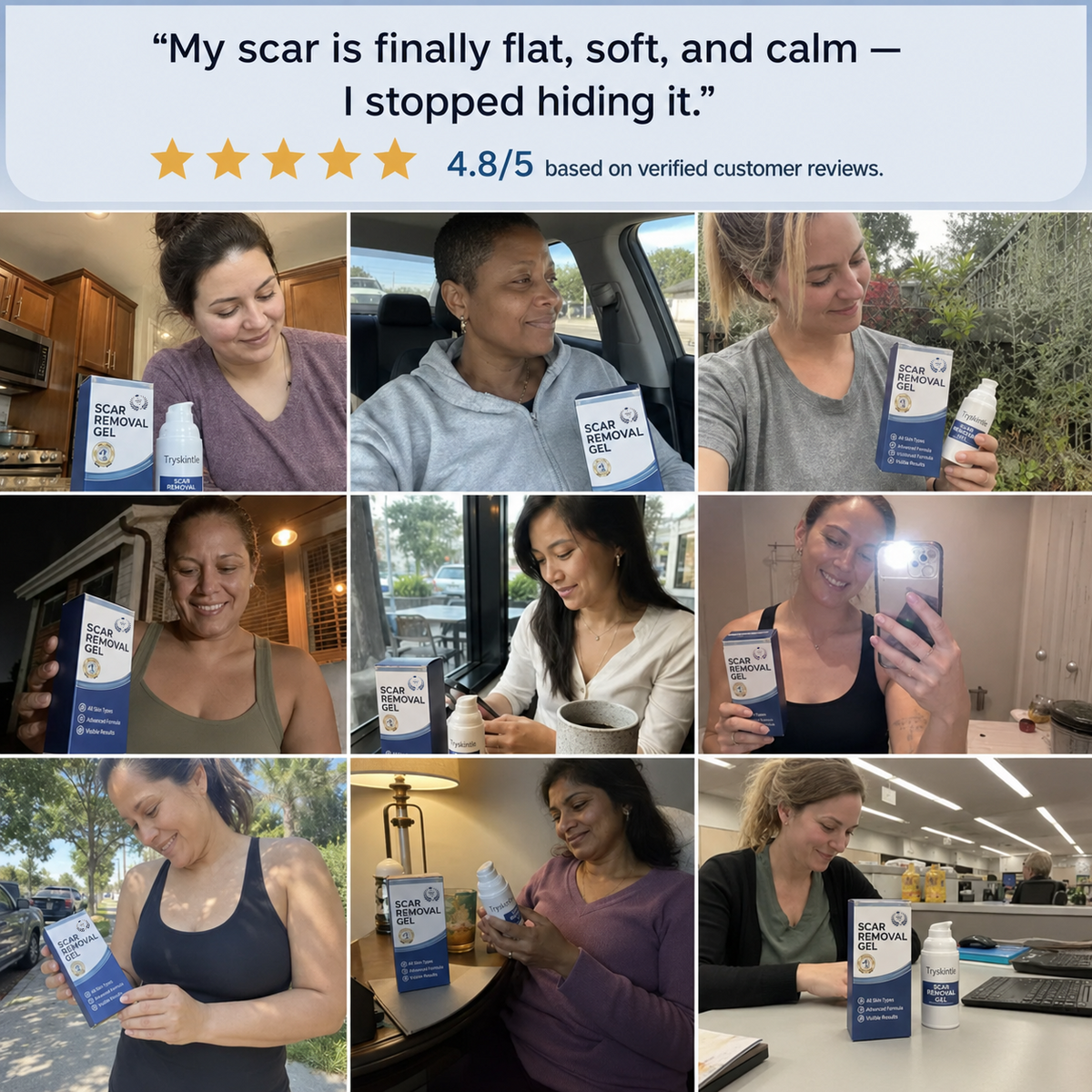
Real Customers. Real Results.
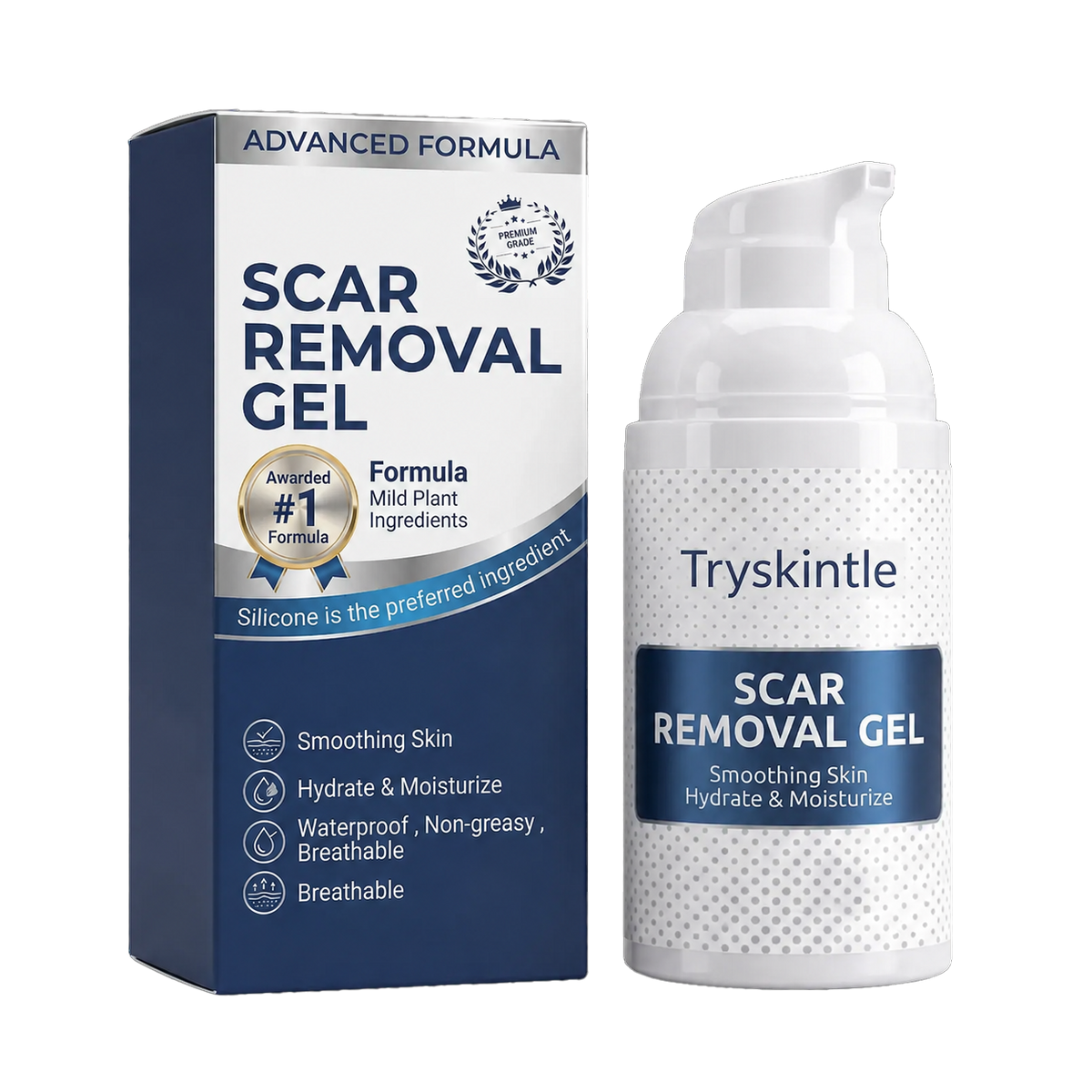
Professional Scar Treatment — Finally Available at Home
Until now, flattening a raised scar meant steroid injections and laser sessions at hundreds per visit. Everyone else was left gambling on drugstore creams that peel, sting, and fail.
Those days are over. tryskintle brings the same medical-grade silicone surgeons recommend home — one 30-second step a day, zero needles.

scar texture
and discoloration
surgery
How tryskintle Shuts Down the Collagen Panic Response
Your raised scar isn’t just “bad healing.” It’s the Collagen Panic Response — broken skin leaking moisture at an emergency rate (doctors call it TEWL), every hour of every day.
Your immune system reads that water loss as a life-threatening breach. It floods the wound with thick, disorganized collagen — fast, chaotic, and with zero regard for how it looks.
That panic is what builds a raised, red, rope-like scar. It also traps nerve endings in a histamine loop of itching and skin-crawling hypersensitivity. Here’s what no one tells you: skin in the womb heals with no scar at all — it never dries out, so it never panics. tryskintle was engineered to recreate that exact environment on the outside of your skin.
Silicone Shield
- Dries invisible in 60 seconds
- Flattens raised scars
- Never peels, flakes, or stains
- Calms itch on contact


Takes Less Than 30 Seconds a Day
No complicated routine. No 10-step rituals. Just real results.

1. Cleanse & Dry
Gently wash the scar area and pat completely dry. The gel bonds best to clean, dry skin.

2. Smooth On a Thin Layer
One pump covers most scars. Glide it over the scar — no rubbing, no massage — and let it dry invisible for about 60 seconds.

3. Stay Consistent
Apply once or twice daily, every day. Newer scars respond fastest; older scars just need longer.
Consistency is everything: the shield only works on the days you wear it, so make it a daily habit.
Quick Fixes Fade. Real Scar Repair Lasts.
Creams sit on top of the problem. Tapes trap it. tryskintle removes the moisture emergency that builds the scar in the first place.
That’s the difference between covering a scar — and actually retraining it